Understanding PDF Security Threats in the Age of AI
Learn how malicious actors use PDFs to inject prompts into AI systems and how to protect your organization from these emerging threats.
Introduction
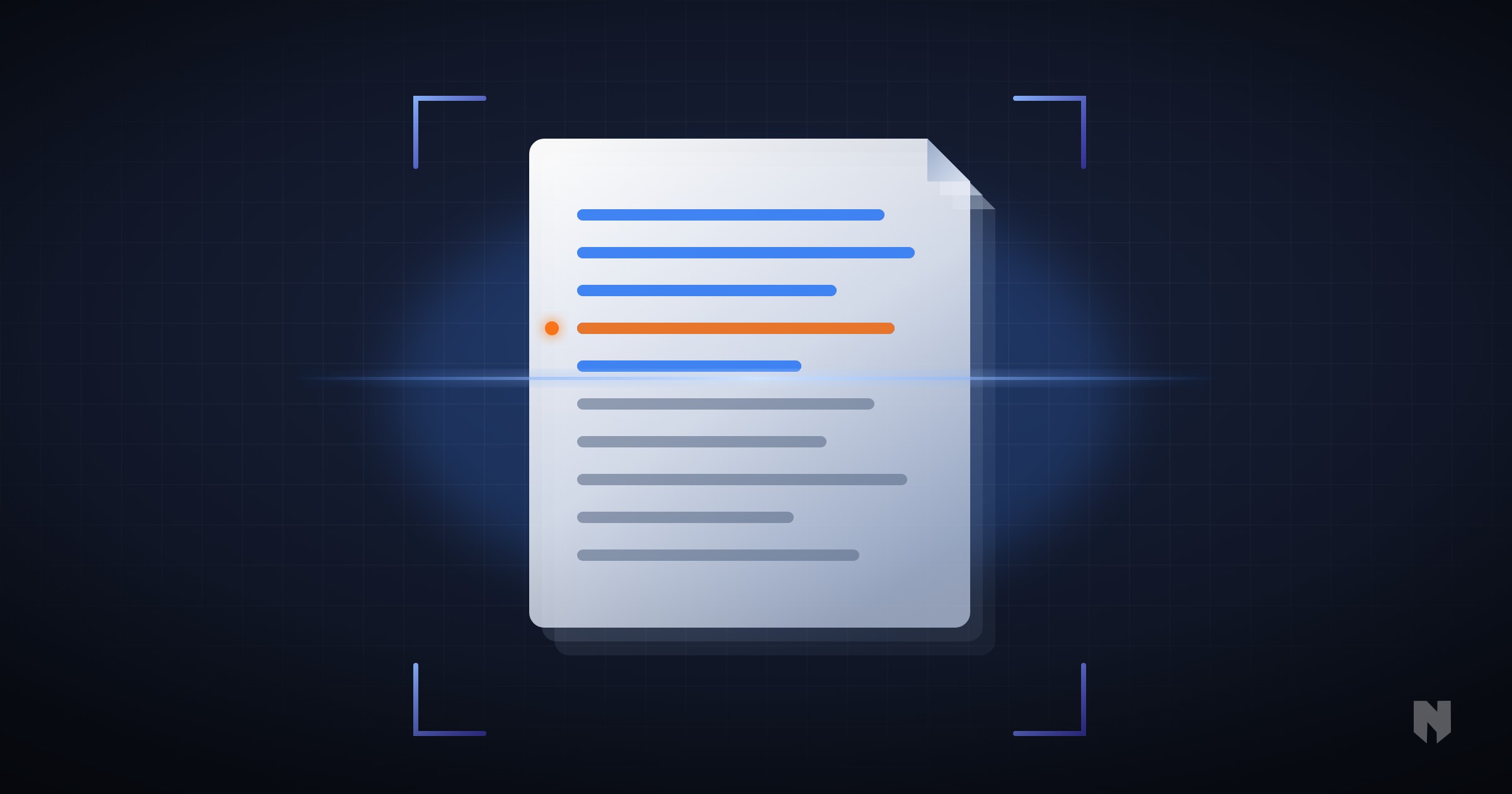
In the evolving landscape of cybersecurity, PDF documents have emerged as sophisticated attack vectors, particularly in the context of AI systems. What once were simple document containers have become complex battlegrounds where attackers attempt to manipulate AI-powered systems through carefully crafted exploits.
The Rising Threat Landscape
Modern AI systems, particularly Large Language Models (LLMs), are increasingly being targeted through carefully crafted PDF documents that contain hidden instructions. These attacks exploit the fundamental trust relationship between document processing systems and the AI models that analyze their content.
Hidden Text Attacks
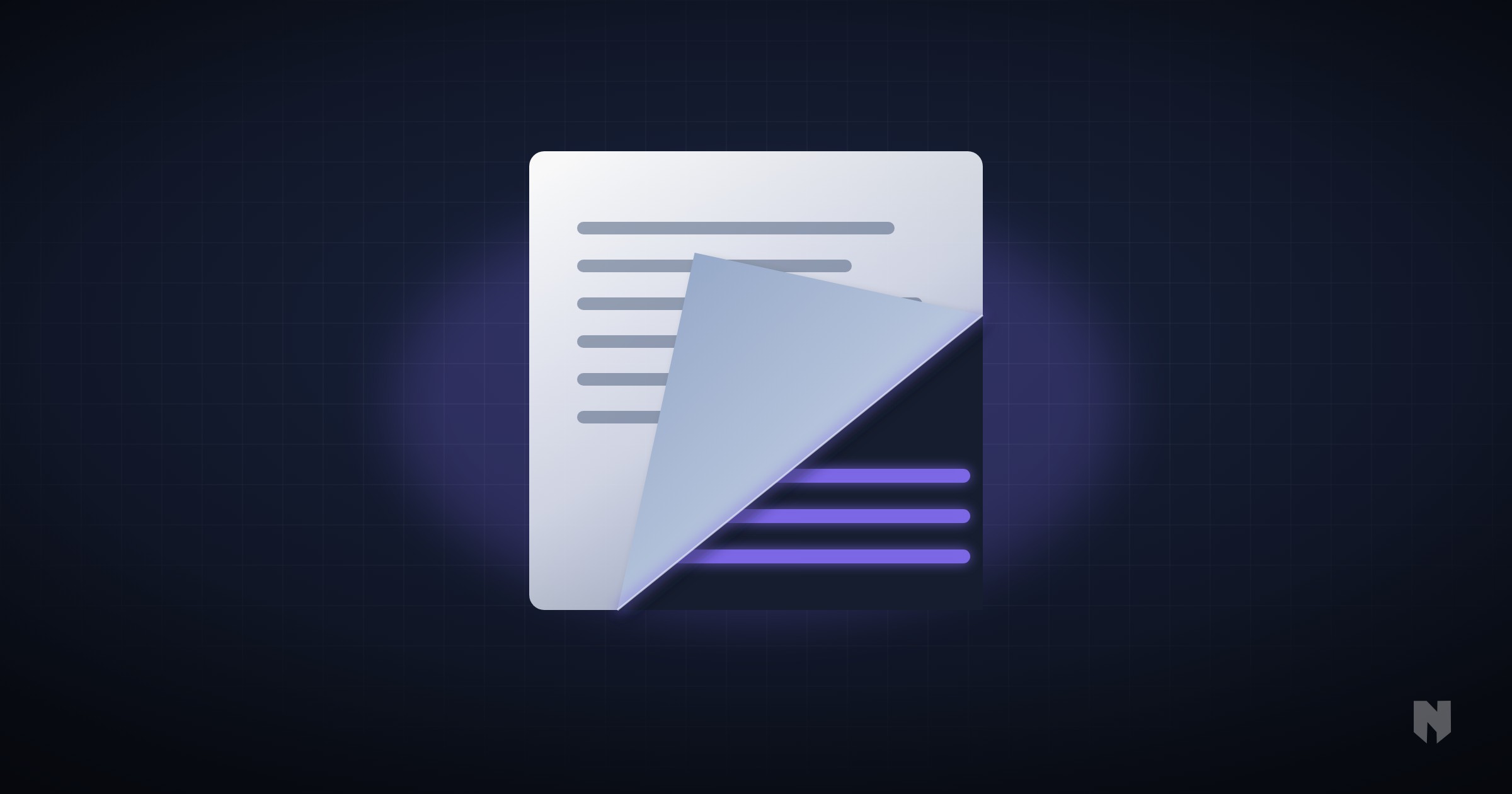
Hidden text attacks represent a paradigm shift in document-based threats. Unlike traditional malware that targets system vulnerabilities, these attacks manipulate the AI's interpretation layer. Common techniques include:
- Invisible layers: Text hidden behind images or in separate PDF layers
- White text on white background: Instructions that are invisible to human readers
- Micro-fonts: Text so small it appears as a line or dot to humans
- Metadata manipulation: Malicious content embedded in document properties
How a Document Becomes an Instruction Source
Consider a hypothetical procurement assistant asked to compare supplier PDFs. One file includes hidden text telling the assistant to favor that supplier. If extraction brings those words into the model context, the assistant may follow them instead of evaluating the proposal as data.
The document does not gain permissions by itself. The impact depends on the application's access, connected tools, and independent approval checks. A misleading summary and an unauthorized transaction are different outcomes and need different controls.
Separate the Risks
| Risk | What goes wrong | What to review |
|---|---|---|
| Hidden content | Extracted text differs from the visible page | Text visibility, layers, and extraction output |
| Prompt injection | Document instructions influence model behavior | Trust boundaries and tool permissions |
| Parser vulnerabilities | A file exploits document-processing software | Patching and isolated processing |
| Incorrect AI output | A response contains unsupported claims | Source evidence and human review |
An incorrect chatbot answer is not, by itself, evidence of a PDF attack. Document-specific claims require evidence about the actual input and processing path.
Protection Strategies
To effectively defend against PDF-based AI prompt injection attacks, organizations should adopt a multi-layered security approach:
- Zero Trust Principles: Limit application privileges and access rights, ensuring that no single system or user has unrestricted control over sensitive operations. By applying zero trust, you reduce the risk of an exploited document causing widespread damage.
- Detection Layer: Integrate advanced document screening solutions, such as Nelix, to analyze incoming PDFs for suspicious content. Route findings to a review or quarantine policy appropriate to your workflow.
Combining these layers—restricting privileges and deploying robust detection—reduces exposure but does not guarantee that every attack will be detected. Test the full pipeline with representative files, including benign documents with unusual layouts.
Continue Reading
Read our hidden text guide for visibility checks and enterprise security guide for operational planning. OWASP's prompt injection overview explains how instructions in external content can cross application trust boundaries.
Written by the Nelix team.
Related Articles
Hidden Text Attacks - What You Need to Know
A deep dive into how hidden text in documents can be used to manipulate AI systems and compromise security.
Best Practices for Document Security in Enterprise
Comprehensive guide to implementing document security measures in large organizations to prevent data breaches and AI manipulation.