Best Practices for Document Security in Enterprise
Comprehensive guide to implementing document security measures in large organizations to prevent data breaches and AI manipulation.
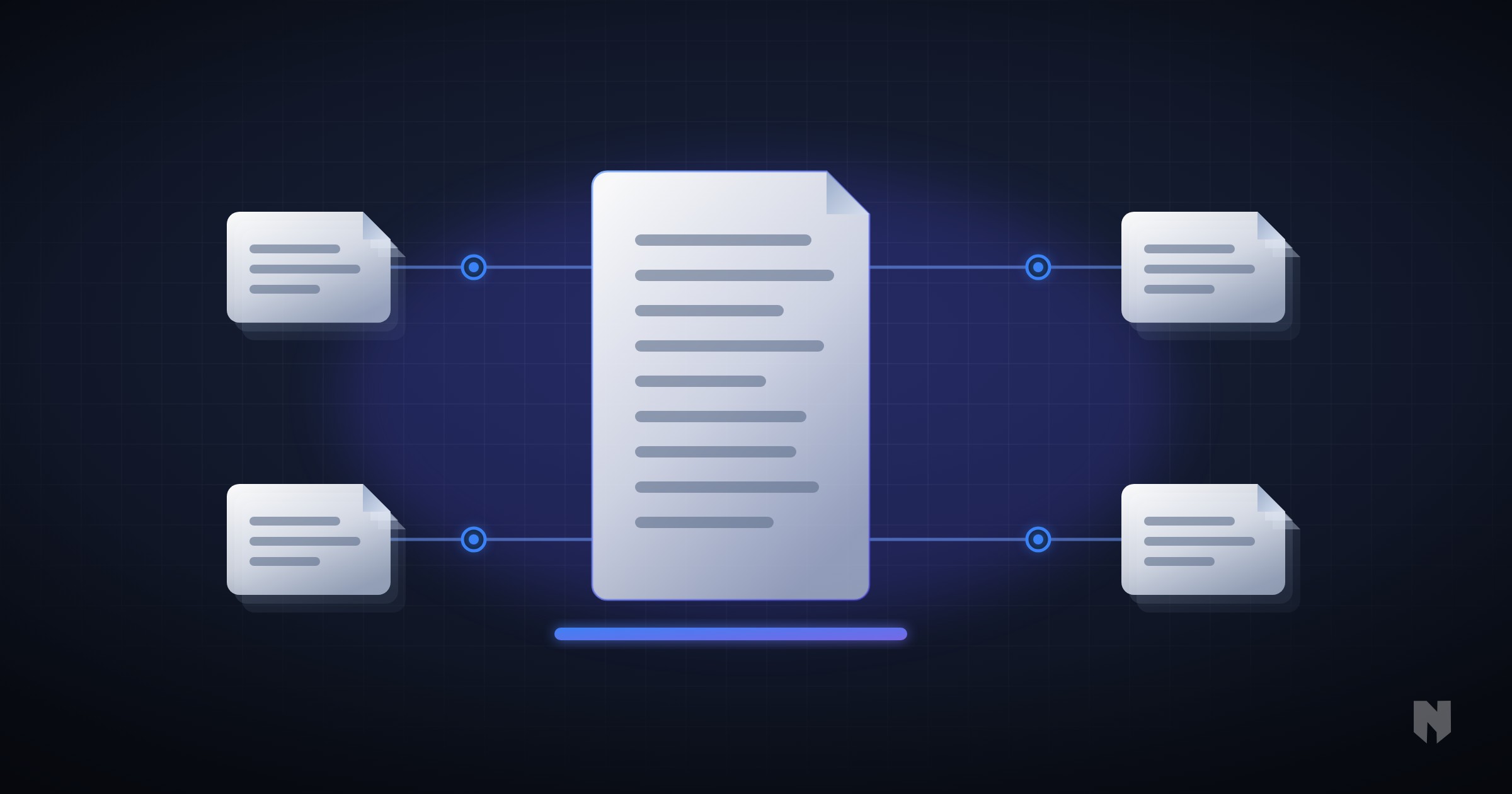
Enterprise Document Security Framework
In today's digital enterprise environment, document security is not just about protecting files—it's about safeguarding the entire information ecosystem. With the rise of AI-powered document processing, enterprises face unprecedented challenges in maintaining data integrity while enabling productivity.
Building a Security-First Culture
Leadership Commitment
Successful document security starts at the top. Executive buy-in transforms security from a compliance checkbox to a strategic imperative. Leadership commitment is crucial for:
- Resource allocation for security tools
- Policy enforcement across departments
- Regular security training programs
- Incident response planning
Employee Training
People need clear procedures and tools to handle documents safely. Comprehensive training programs must address:
- Security Awareness Programs: Regular workshops on emerging threats like prompt injection and hidden text attacks
- Phishing Simulations: Monthly exercises testing employee vigilance against malicious documents
- Document Handling Protocols: Clear procedures for classifying, storing, and sharing sensitive information
- Incident Reporting Procedures: Zero-blame culture encouraging immediate incident reporting
Technical Infrastructure
Document Management Systems
Modern Document Management Systems (DMS) must balance accessibility with security. Key implementation considerations include:
# Example DMS Security Configuration
document_management:
  encryption:
    at_rest: AES-256
    in_transit: TLS 1.3
  access_control:
    authentication: multi-factor
    authorization: role-based
  audit:
    logging: comprehensive
    retention: policy-defined # Set for your data and obligations
Compliance and Governance
Map Your Obligations
Identify the contractual, privacy, and industry requirements that apply to your organization with the appropriate legal and security owners. Assign a document owner, access policy, retention schedule, and deletion process for each data class. A tool purchase or a checklist alone does not establish compliance.
Implementation Roadmap
Phase 1: Assessment (Month 1-2)
- Conduct security audit of existing document workflows
- Identify high-risk processes and vulnerabilities
- Map regulatory requirements to current practices
Phase 2: Foundation (Month 3-4)
- Deploy core security tools (encryption, DLP, monitoring)
- Establish governance framework and policies
- Begin employee training programs
Phase 3: Advanced Protection (Month 5-6)
- Implement AI-specific defenses (Nelix integration)
- Deploy advanced signal detection systems
- Establish Security Operations Center (SOC) procedures
Phase 4: Optimization (Ongoing)
- Continuous monitoring and improvement
- Regular penetration testing
- Quarterly security reviews and updates
Measuring Success
Key Performance Indicators
Track measures against your own baseline rather than adopting arbitrary targets:
- Detection time: How quickly suspicious documents reach a reviewer.
- Review quality: Confirmed findings, false positives, and missed cases from controlled tests.
- Response time: How long it takes to contain an affected workflow.
- Coverage: The proportion of document entry points with an assigned owner and screening policy.
Evaluate the Investment
Compare operating costs with measurable changes in review time, incident handling, and workflow coverage. Record the assumptions behind any savings estimate; document screening does not guarantee a particular reduction in breaches or costs.
Put the Framework into Practice
Start with one document workflow. Map where files enter, who can access them, what the AI can do, and where a person must approve an action. Use Nelix findings as one input to that review, alongside access controls and monitoring. Expand the approach after testing it with representative documents.
Further Reading
The NIST Generative AI Profile provides a broader framework for identifying and managing generative AI risks.
Written by the Nelix team.
Related Articles

Understanding PDF Security Threats in the Age of AI
Learn how malicious actors use PDFs to inject prompts into AI systems and how to protect your organization from these emerging threats.

Hidden Text Attacks - What You Need to Know
A deep dive into how hidden text in documents can be used to manipulate AI systems and compromise security.